|
|
Next Page is a newsletter written by senior correspondent and book critic Constance Grady. She covers books, publishing, gender, celebrity analysis, and theater. Read her latest work on our site.
|
|
|
|
|
|
Next Page is a newsletter written by senior correspondent and book critic Constance Grady. She covers books, publishing, gender, celebrity analysis, and theater. Read her latest work on our site.
|
|
|
|
Is it time to finally read The Odyssey?
|
If you’ve never read the 2,800-year-old epic (or only skimmed it in high school), here’s how to get into it.
|
|
|
|
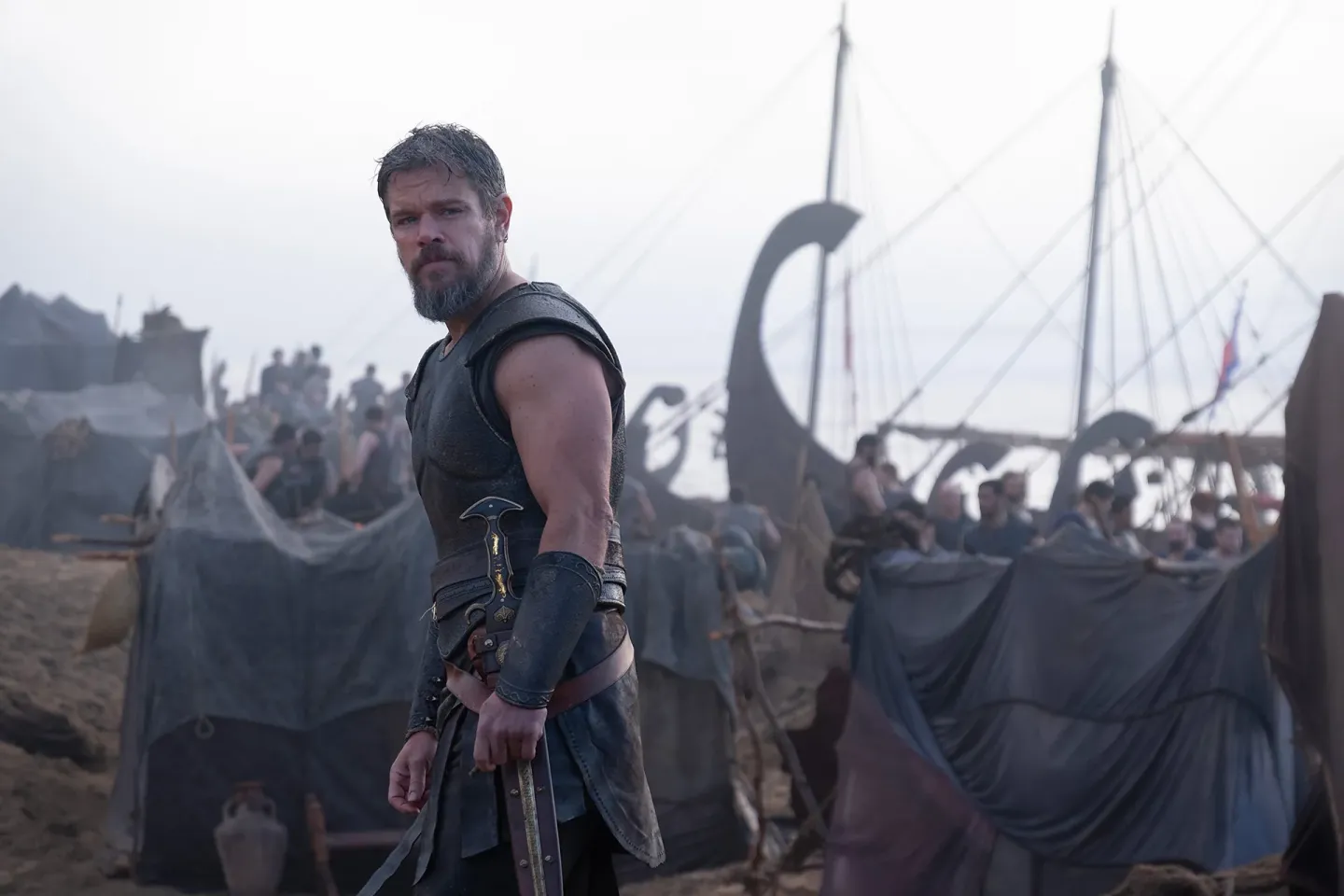
Christopher Nolan’s The Odyssey is about to surf the wine-dark sea into theaters everywhere, and between its star-studded cast and ecstatic early reviews, it’s likely to be a blockbuster. So if you’ve never read the 2,800-year-old poem on which it’s based — or you skimmed it in the 10th grade and haven’t thought about it since — is this the time for you to finally read it?
There’s a strong argument to be made that the answer is yes, because The Odyssey is an absolute blast to read. It’s funny, gripping, and sexy, an epic adventure with a human heart. If you’re willing to deal with the fundamental strangeness that comes with reading a text so old, you’ll come away from The Odyssey with a new understanding of how and why the West tells its stories.
|
|
|
|
⇰ How The Odyssey invented the asshole trickster hero
|
|
|
The genius of The Odyssey is that it’s both a family story and an adventure. Clever Odysseus is trying to make his way back to his wife and kid after 10 years at war, but at every turn, he’s beset by angry gods, jealous nymphs, or world-shaking storms. What we see of Odysseus’s home life is tender and sweet, and the voyage is thrilling, but Odysseus is the real secret weapon here.
Odysseus is one of those guys who’s super smart but, unfortunately, knows it, so as soon as he’s talked his way out of one jam, he can’t help but talk himself right into another. He defeats a Cyclops by using the admittedly very funny gambit of giving his name as No Man, so that the Cyclops’s pained shrieks of “No Man is killing me!” fail to summon any of his fellow one-eyed monsters to his aid. But, then, Odysseus is arrogant enough to yell his real name at the fiend he just maimed so he can get proper credit for his feat — and is shocked that doing so comes back to haunt him. It’s hard not to root for Odysseus to get home, but you also have to admit that he bears a lot of responsibility for his own problems.
That storytelling tool — someone clever and charming enough to get out of every sticky situation but hubristic enough to keep making it worse for themselves, too — is so satisfying to read that it birthed an archetype. You see Odysseus in Ferris Bueller, in Bugs Bunny, in Don Draper, in Marty Mauser. Trickster heroes who infuriate allies and antagonists alike all owe a debt to Odysseus, who showed the West what a powerful narrative engine such figures are.
Read the full story >>
|
|
|
|
Book recommendations to get lost in
|
|
|
|
- In the blistering heat of an East Coast July, the only thing I want to read is something as easy-breezy funny and charming as Andrew Sean Greer’s Villa Coco. Greer, who won the Pulitzer for his comic novel Less, has confected an airy champagne bubble of a book, about a young American man hired to archive the art collection of a Tuscan baronessa. In theory, anyway. In practice, he spends more time watching the baronessa’s favorite Italian crime TV shows; hiking the Tuscan hills; and dueling with her mortal enemy, the weasel-like pine marten. You’ll see the baronessa’s plan for her American archivist coming from a mile away, but who cares? The characters in this novel are loveable enough to live in your head for days afterward.
- In the opening pages of Daniel M. Lavery’s warm and witty Meeting New People, 50-something Barbara is blindsided as her best friend dumps her — and takes all their mutual friends in the breakup. Now Barbara has to hustle to make new friends, at a time of life when loneliness can easily turn into isolation. Spending time in Barbara’s acidic, judgmental brain is a treat, but what’s most moving is the earnestness with which she devotes herself to her quest to find her people. “I don’t think I’ve managed to develop the kind of good strong character that keeps people close to you,” she frets. Who among us has?
- Ann Patchett has made a specialty lately of writing novels that feel as though they should be sentimental, and making them feel true instead. In Patchett’s new novel Whistler, 49-year-old Daphne Fuller has a chance encounter with the man her mother was married to for a single year of Daphne’s childhood and finds herself overwhelmed, suddenly aware of a suppressed heartbreak: “Somewhere deep inside myself, in a place inaccessible to me since I was 9,” Daphne tells us, “I had missed him every day of my life.” In the rich and tragic platonic love story that follows, we learn both why this stepfather meant so much to Daphne and why she knew him so briefly.
- The fantasy novelist Jo Walton’s new book Everybody’s Perfect is the strangest and most interesting pandemic novel I have read yet. It takes place in a liminal fantasy space with the aesthetic of Venice at Carnivale, covered in mist and peopled with grotesquely masked figures. But these figures can’t remove their masks, and many of them can’t leave their uncanny canal city, either. They’ve been struck by a blight that will kill them if they leave, and so they’re stuck in this strange in-between world where nothing ever feels quite real. In Walton’s adept hands, what starts as a metaphor for the lockdown days develops into an existential quest to understand the nature of God and life itself. Walton never aims low.
|
|
|
|
📲 For more thoughts from Constance Grady, follow her on X, Threads, or BlueSky.
|
|
|
|
|